Winter Injuries

Forest covered in snow

Common Winter Injuries – and How to Avoid Them

Ice, snow, and other weather hazards are ever-present in many parts of the country during the winter months. Even for those of us lucky enough to live in warmer climates, we may find ourselves vacationing in or traveling through the mountains. Emergency rooms and urgent care practices regularly see patients for winter-related injuries – many of which are preventable. Read on to learn more about the most common winter injuries, how to prevent them, and when to seek medical attention.

Car Accidents

According to the Federal Highway Administration, almost 117,000 people are injured in car accidents on snowy or icy roads every year. The best thing you can do to minimize your risk is to ensure that your car is winter-ready:

  • Make sure you have the right tires: Invest in a set of winter tires or carry chains in your vehicle at all times and inspect your tires for damage before trips
  • Check fluid levels before long trips to avoid breakdowns: Low wiper fluid, antifreeze, and oil levels can lead to unsafe conditions due to low visibility or sub-optimal vehicle performance. Make sure to top off fluids when heading out on a longer trip.
  • Make sure your headlights and brake lights are all in working order: The last thing you want is to be caught in a snowstorm with burned out headlights or brake lights. Consider keeping a spare set of bulbs in your vehicle so you are always prepared.
  • Drive defensively: Give other vehicles plenty of space on the road so you have time to react if another vehicle spins out or loses control.  It is also important to adapt your speed to the road and weather conditions. Don’t let the speed of other drivers pressure you to go faster. Move to the right lane and drive cautiously if you are concerned about road conditions.
  • Last but not least, avoid driving when the conditions are particularly hazardous whenever possible.

Seeking medical help after an accident

If you get in a car accident, whiplash, bruises, and concussion are a few common injuries that range from minor to severe. Oftentimes after an accident, people may not immediately realize the extent of their injuries. Although you may feel “fine” after a car accident, it is recommended to seek medical care to ensure that any injuries that may arise are documented for insurance purposes. Be sure to alert your provider that you are seeking care following a car accident.

Slips and Falls
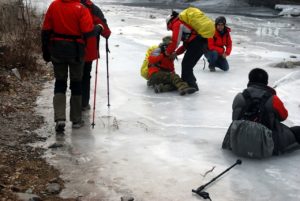
With ice and snow comes an increased risk of slipping and falling when you venture outdoors. While some falls may seem inevitable, there are many things you can do to decrease your chances of falling in the first place:

  • Wear proper footwear: Choose shoes with chunky tread or use traction cleats that slip over the sole of your shoe. It may be tempting to wear regular sneakers – or even your slippers – to walk to the mailbox, but taking an extra minute to equip yourself with proper footwear can save you the pain of a fall and potentially a trip to the doctor.
  • Take small steps: If you are walking on ice or packed snow, take small, shuffling steps to increase your balance and reduce the risk of falling
  • Keep your hands free and be aware of your surroundings: Many falls happen because we are distracted – looking down at a phone, trying to juggle grocery bags, or simply fiddling with your coat can mean your hands aren’t available to break your fall. Being aware of your surroundings and watching every step can be enough to prevent some falls.

Seeking medical help after a fall

If you DO fall, the first thing you should do is stay still and assess yourself for injuries. If you are able to stand, find something to grab on to if possible to help stabilize yourself as you get up.

Most falls will result in no more than swelling and bruising. However, bone fractures, sprains, and back pain should be assessed by a medical professional. If you are unable to move a body part, can’t walk, or are in severe pain, please contact your local urgent care or primary care advice nurse immediately. You will also want to watch for swelling – if swelling does not respond to ice, elevation, and anti-inflammatory medications (such as ibuprofen or acetaminophen), it would also be advisable to seek medical attention.

Snow Shoveling

Shoveling snow is an inevitable chore in many parts of the U.S. It is also a very common cause of back injuries and heart attack due to overexertion, lacerations from falling on ice, and bumps, bruises, and broken bones due to falling. In fact, according to the American Journal of Emergency Medicine, 11,000 adults and children go to the hospital every year for snow-shoveling related injuries. Here are some ways to keep yourself safe and healthy while shoveling snow:

  • Be aware of your physical limitations and take breaks: Overexertion can contribute to all sorts of injuries while shoveling snow, including muscle strains, back pain, and heart attack. Take regular breaks when possible.
  • Invest in a good snow shovel: Choose one with a long, adjustable handle and a sharp blade on the scoop.
  • Shovel smart: Instead of scooping and lifting the snow, which can strain muscles, try pushing it out of the way. Avoid heaving shovelfuls of show over your shoulder, as this can aggravate back injuries.
  • Wear slip-resistant shoes: Invest in shoes with heavy tread or use over-shoe traction devices.

Seeking medical help after a shoveling injury

The advice here is similar to dealing with slips and falls: Assess your injuries as best you can before moving, get up carefully and slowly if possible, and seek medical attention if you cannot walk or move a body part or if you are bleeding and cannot get it to stop. If you are having symptoms of a heart attack, please call 911 immediately.

Winter Sports
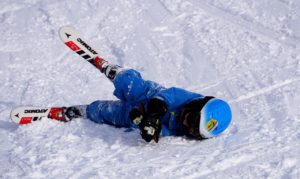
Skiing, snowboarding, and other snow sports are inherently risky activities, but that doesn’t mean that injuries are inevitable. There are  many things you can do to reduce the risk and severity of injuries.

  • Invest in the proper gear: A well-fitting helmet, gloves, and boots are your first line of defense against snow sport injuries. If you have children participating in winter sports, wrist guards can also be a great way to protect against broken bones due to falls.
  • Be aware of your surroundings: Many accidents happen due to collisions between two or more people. Always yield to uphill traffic and be aware of merging trails when skiing or snowboarding. Scan ahead for patches of ice, rocks, and other hazards
  • Know your limitations: If you are new to the sport, consider signing up for some lessons so you have a strong foundation and the ability to control yourself. If you are a beginner, stick to easier ski/snowboard runs and always stay within the boundaries of the ski area.
  • Use the buddy system: It’s always a good idea to ski/board with a friend so that if one of you is injured and can’t move, the other can go for help.
  • Know where to go for help: Most snow resorts have medical personnel stationed at the top of chair lifts – and if not, there will be staff at the top and bottom of each chair that can use their radio to request help. When you get off at the top of a lift, make a mental note of your starting location and your general route so you know where the closest staff is. Keep a run map with you at all times in case you lose your sense of direction.

Seeking medical help after a snow sports injury

If you injure yourself while skiing or snowboarding, it is important to get help as quickly as possible to avoid the risk of hypothermia. If you are alone and unable to move, get the attention of others by yelling and waving your arms. If you are on skis, stick them in the snow in an upright “X” position; on a snowboard, stick it into the ground straight up. This will make you more visible to those coming down the hill, which will reduce the risk of a collision (which is the last thing you want when you are already injured!). Once you are able, you’ll need to get to the closest ski lift. Once there, staff members can radio for help. Luckily, many resorts have medical facilities onsite where they can treat minor and severe injuries. Once you have been stabilized and are off the mountain, contact your primary care provider or make an appointment with urgent care to address any lingering issues.

If you find yourself suffering from a weather-related injury, head to the nearest Brea Urgent Care for convenient testing and treatment. We’re here to care for you.

All About Acute Bronchitis

Bronchitis treatment at Brea Urgent Care in Brea

Acute bronchitis is a respiratory infection that typically affects the bronchi, which are the two tubes that allow air to travel from your mouth to your lungs. You may experience this condition if you have an upper respiratory tract infection (URI) which  causes inflammation and irritation in your airways. This means that they are producing more mucus than usual to protect themselves from irritation.

Acute bronchitis generally lasts for a short time – most people get over the worst of it in a few days, although the cough can linger for weeks. This condition is distinct from chronic bronchitis, which is caused by constant irritation such as that caused by smoking.

The symptoms of acute bronchitis include:

  • coughing (often worse during the night and can last for up to three weeks)
  • chest discomfort
  • fever
  • sore throat
  • hoarseness/loss of voice
  • wheezing

While bronchitis caused by a bacterial infection is treated with antibiotics, many cases of bronchitis are caused by viruses and cannot be treated with antibiotics.  In some situations, people develop complications from bronchitis, such as pneumonia, which may require hospitalization.

How to Avoid Acute Bronchitis

One of the best ways to avoid this condition is by getting your flu shot every year and keeping up with the latest CDC recommendations for Covid vaccination. This will help you avoid getting a URI in the first place. But, if you do begin to come down with bronchitis, be sure to treat your URI right away.

Bronchitis and Covid-19

Bronchitis is a secondary infection – meaning it usually follows an upper respiratory infection caused by a virus (such as influenza, RSV, or a coronavirus). Bronchitis will not cause you to get Covid, but since Covid is a viral respiratory illness, it can cause bronchitis. Getting bronchitis following a Covid infection will increase your chances of developing complications that could require medical care.

If you have Covid symptoms, please consult with your doctor and consider a Covid test. If you develop symptoms of bronchitis following a Covid diagnosis, you should monitor for the symptoms listed above and begin treatment for your bronchitis.

How to Treat Acute Bronchitis

Usually, the infection will go away on its own. To help ease the symptoms, you should:

  • Get lots of rest
  • Stay hydrated (make sure to avoid caffeine and alcohol)
  • Use over-the-counter pain relievers
  • Try over-the-counter cough medicine
  • Use a humidifier when you sleep or sit in a steamy bathroom

When to See a Doctor

Call your doctor if you:

  • Have a cough that:
    • Brings up blood or mucus that thickens or darkens
    • Keeps you awake at night
    • Lasts more than 3 weeks
    • Causes chest pain
    • Has a barking sound and makes it hard to speak
  • Have trouble breathing
  • Have foul-tasting fluid in your mouth
  • Have a fever over 100.4 F
  • Experience wheezing or shortness of breath
  • Have unexplained weight loss

If you have symptoms of bronchitis or COVID-19, head to the nearest Brea Urgent Care for convenient testing and treatment. We’re here to care for you.

Stress, Headaches, and the Holidays

​​woman drinking holiday coffee - stress and headaches

Rein in seasonal stress to prevent painful headaches

Each December, our schedules fill up with errands, gatherings, and year-end celebrations. And while the season is meant to be a time of joy, all the hustle and bustle can take a toll on your health. Whether it’s waiting in long shopping lines, hosting the in-laws, or scrambling to finish work tasks before vacation, stress can be difficult to avoid.

This seasonal stress, alongside a busy social schedule, is particularly troublesome for those who suffer from headaches. The general pressure of the holidays combined with changes in sleep patterns and diet can trigger terrible tension-type headaches and migraines. Fortunately, a little discipline can go a long way towards preventing pain.

Learn how to manage stress and avoid headaches this holiday

  1. Plan ahead. Now is the time for to-do lists and time management strategies. You’ll want to avoid the stress of last-minute shopping, when lines are longest and stores are crowded. Similarly, if you’re traveling, allow extra time to get to the airport and anticipate delays. Making a plan, staying organized, and tackling tasks one at a time will help put your mind at ease.
  2. Be consistent. If you’re not careful, the seasonal hubbub can lead to late nights, missed meals, and subsequent headaches. Be strict about your sleep, aiming for at least 8 hours a night, and make a point to eat nutritiously and regularly.
  3. Know your triggers. Aged cheese, red wine, caffeine, and chocolate are heavily featured around the holidays. Unfortunately, they’re also common headache triggers. Limit or avoid foods that tend to coincide with your headaches, and drink plenty of water to stay hydrated.
  4. Make time for relaxation. Don’t let stress consume you. Take time each day to reset and relax. You can listen to music, dance, play a sport, practice yoga, meditate, read, or go for a daily walk.
  5. Have medication at hand. Keep your meds in stock and on hand to head off pain right when it starts. If you’re traveling, be sure you have a sufficient amount packed.

For more help managing stress this season, check out the American Psychological Association’s Holiday Stress Resource Center.

We hope these tips help you stay healthy this holiday season. If a headache or migraine does strike, know you can find fast care and relief at our clinic.

Preventing Holiday Heartburn

thanksgiving foods - heartburn relief

Come November, fall celebrations switch from spooky to festive, and we look ahead to the feasting frenzy of Thanksgiving. And while many of us will indulge in familiar favorites like gravy, stuffing, and cranberry sauce without too much consequence, this heavy holiday fare can wreak havoc on those who suffer from acid reflux.

According to the American College of Gastroenterology, up to 20% of the US population has GERD (gastroesophageal reflux disease). If you suffer from reflux symptoms, learn how you can prevent holiday heartburn with just a few simple steps.

How to avoid holiday heartburn

  1. Enjoy in moderation. Overeating is a surefire way to trigger that awful acidic sensation in the chest. Instead of gorging on fatty, reflux-inducing foods, stick to small samples and skip the second helping.
  2. Slow your roll. Eating too quickly can contribute to heartburn. Be sure to pace yourself and savor your meal.
  3. Limit alcohol and caffeine. Having a celebratory drink is probably OK, but the more you drink, the more likely you are to experience acid reflux. The same goes for coffee and other caffeinated beverages.
  4. Know dessert dangers. Chocolate, citrus, and peppermint are common holiday dessert ingredients—and acid reflux triggers. Know what sets off your heartburn and try to avoid it. If it’s too hard to stay away, limit your portion and enjoy it slowly.
  5. Keep moving. After a big turkey day meal, it might be your instinct to crash out on the couch and watch football or a movie. But, lying down too quickly ups your chances of heartburn. Try a walk around the neighborhood or a flag football game with the family. Activity will aid in digestion.
  6. Plan ahead. If you frequently experience heartburn, it’s a good idea to keep medication on hand over the holidays.

We hope these tips help you find relief from holiday heartburn. We’re here when you need acid reflux care.

Navigating a Negative COVID-19 Test

negative covid-19 test swab

Everyone in your household is coughing, sneezing, aching, and feeling downright under the weather. You automatically assume COVID-19, and head for your swab tests. But to your surprise, the results come back negative–leaving you with more questions than answers.

How to navigate a negative COVID-19 test result while suffering symptoms

Here, we walk you through false negatives, other possible causes of illness, and what to do next.

Is it possible to receive a negative test result when you actually have COVID?

As with all diagnostic testing, false negative test results are possible. The risk of a false negative depends on the timing and sensitivity of the COVID-19 diagnostic test.

Always follow CDC guidelines on when to get tested, and consider choosing a PCR test. Highly sensitive PCR tests are the most accurate testing option available and can reduce the risk of false negatives.

A rapid antigen test may not detect the virus in your system during early stages. If you have COVID-19, and get an antigen test too soon, your result could come back negative, even though you are infected. If you are experiencing symptoms, continue isolating away from others and talk to a doctor about follow up testing.

Consider other illnesses with similar symptoms

During the ongoing pandemic, it’s natural for the mind to jump right to COVID at the first sign of respiratory symptoms. But, there are plenty of other viruses and bacteria that can contribute to coughs, congestion, and fevers.

If you test negative for COVID-19, but still aren’t feeling well, talk to your doctor about the possibility of flu, RSV, adenovirus, allergies, and strep. You may need additional testing and treatment to heal. Remember to stay home when you’re sick, and to give your body plenty of rest and fluids.

If you’re unsure about a negative COVID-19 test result, visit our clinic for expert care and advice.