How to Prevent Diabetes

prevent diabetes tips
Today, 1 in 11 Americans has diabetes, and an estimated 86 million more are at risk of developing it. The disease can cause serious health complications and is currently the 7th leading cause of death in the United States. In an effort to raise awareness and understanding of this all-too-common disease, the American Diabetes Association (ADA) recognizes November as American Diabetes Month. We’re joining in on the cause and focusing on how to prevent diabetes.

While there is no known way to prevent Type 1 diabetes (an autoimmune disease usually diagnosed in children and young adults), there are lifestyle choices you can make to prevent or delay Type 2 diabetes. Before we get into these prevention tips, let’s learn a bit more about Type 2 diabetes.

Understanding Type 2

Type 2 diabetes is the most common form of diabetes, accounting for 90 to 95 percent of cases in the United States, and is caused when the body does not produce or use insulin properly. Risk factors for developing type 2 diabetes include being overweight, having a family history of diabetes and having diabetes while pregnant (gestational diabetes). Some people with type 2 diabetes can control their blood glucose (sugar) with healthy eating and being active; others may require oral medications or insulin, especially as the disease progresses. Type 2 diabetes is more common in African Americans, Latinos, Native Americans and Asian Americans/Pacific Islanders, as well as older adults (American Diabetes Association).

You can prevent diabetes by…

  1. Getting enough exercise.

    Exercise is key in preventing many diseases, and diabetes is no exception. The Department of Health and Human Services recommends that adults get 150 minutes of moderate aerobic activity or 75 minutes of vigorous aerobic activity a week. An easy way to remember this is 30 minutes a day, 5 days a week. In addition to aerobic exercise, incorporate resistance training for strong bones and muscles. The combination of aerobics and strength training will help you lose weight, lower blood sugar and increase your sensitivity to insulin.
  2. Maintaining a healthy weight.

    If you are overweight or obese, you are at a higher risk of developing Type 2 diabetes. Being overweight can affect your body’s ability to produce and use insulin, as well as cause high blood pressure. Take the necessary steps to achieve and maintain a healthy weight. In addition to the exercise tips discussed above, try the following diet tips:

    • Choose whole grains
    • Limit red meat
    • Avoid trans fats
    • Skip sugary drinks
  3. Not smoking.

    Need another reason to quit smoking? According to the Harvard School of Public Health, “smokers are roughly 50 percent more likely to develop diabetes than nonsmokers, and heavy smokers have an even higher risk.”

  4. We hope these tips help. Let’s all stay active and eat right to prevent diabetes.

Protect Yourself and Others with a Flu Shot

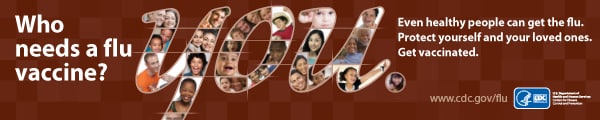
For most of us, the flu is a mild, albeit miserable, respiratory illness that lasts a few days. The symptoms — fever, cough, sore throat, runny nose, body aches — are unpleasant, but we recover and get back to our daily routines. For those with compromised or weaker immune systems, however, the flu can cause severe, life-threatening complications. Young children, adults 65+, pregnant women and people with certain chronic illnesses are all at a higher risk of developing scary complications such as pneumonia, organ-failure, sepsis or worsening of an existing condition.

What can we do to protect those at risk? It’s simple: get a flu shot.

By doing so, you are not only protecting yourself, but also those around you. Flu is a contagious respiratory illness that spreads person to person through droplets when we cough, sneeze or talk. You can infect someone up to 6 feet away, and spread the virus without realizing you have it. According to the CDC, “most healthy adults may be able to infect other people beginning 1 day before symptoms develop and up to 5 to 7 days after becoming sick,” and children can spread the virus for even longer.

Flu is contagious and not all of us have the immune system to fight it. Do your part and protect the most vulnerable by getting vaccinated today. The more people who get vaccinated, the harder it is for the flu to spread.

It’s as easy as a flu shot to keep yourself and your community healthy.

Flu Shot” /></a></p>
	</div><!-- .entry-content -->

	
</article><!-- #post-2476 -->

<article id=

Choose Whole Grains for your Health

September is Whole Grains Month! Learn why it’s important to choose whole grains.

Packed with fiber, protein, vitamins, antioxidants and minerals, whole grains offer amazing nutritional benefits. Studies show that a diet rich in whole grains can lower your risk of chronic diseases such as heart disease, diabetes, and even cancer (The Journal of Nutrition). A grain is considered whole when it contains bran, germ, and endosperm in its natural proportions. Some examples include:

choose whole grains bread

  • Barley
  • Brown Rice
  • Buckwheat
  • Bulgur (cracked wheat)
  • Millet
  • Oatmeal
  • Popcorn
  • Quinoa
  • Whole Wheat bread, pasta, or crackers
  • Wild Rice

Refined grains — such as white rice, white flour and white bread — are milled, a process which removes the bran and germ to extend shelf life and improve texture. Unfortunately, this refining process also “strips away more than half of wheat’s B vitamins, 90 percent of the vitamin E, and virtually all of the fiber” (Harvard School of Public Health). The Dietary Guidelines for Americans recommends that at least half the grains you eat are whole. So, how can you incorporate those healthy whole grains into your diet?

5 Easy Ways to Choose Whole Grains

  1. Start your day off with whole grains by eating oatmeal or buckwheat pancakes for breakfast.
  2. Add quinoa or wheat berries to your salads.
  3. Cook soups with barley or soba noodles.
  4. Snack on popcorn. It’s a whole grain and can be a healthy snack if you cut back on added salt and butter.
  5. Making a sandwich? Build it on a whole grain pita or slices of sprouted grain bread.

Why you should prioritize your child’s Back-to-School Physical

School Physical, Brea Urgent CareYour child’s back-to-school physical may seem like just another item on your To Do list, but it is so important! This annual check-in provides the chance to:

  • Help you understand and track your child’s medical history.
  • Access your child’s progress and general health.
  • Address any underlying emotional, developmental, and/or social issues.
  • Prepare your child to safely play sports.

Curious about what, exactly, a physical entails? First, the doctor will check your child’s eyes, ears, throat, lungs, and abdomen. They will also check in about injuries, nutrition, training, exercise, and attitudes toward school and exams, as well as ensure that all vaccines are up to date. When your child becomes a teenager, the doctor will discuss sex, drugs, alcohol, and unsafe activities.

But remember: the doctor should not be the only one asking questions! Make sure to check in about:

  1. How well you child is growing. Are they getting proper nutrition? The right amount of exercise?
  2. How to identify if your child has a learning disability.
  3. Upcoming issues or developmental milestones to watch out for.

If your child is interested in playing a sport, they will likely be required to get a sports physical. You, your child, and your child’s doctor need to discuss:

  • The basics of the sport and how much energy it will require.
  • What position your child will play.
  • Your child’s size, and whether they can safely play the sport in question.
  • Common injuries to be aware of.
  • The required protective gear.
  • How to safely play the chosen sport — and how to make the sport safer!

4th of July Fireworks Safety Tips

Fireworks Safety, Brea Urgent CareJuly 4th is fun, and the fireworks displays are beautiful, but this holiday sends thousands and thousands of people to the ER every year: In 2014 alone, emergency rooms reported:

  • 10,500 injuries from fireworks.
  • 7,000 injuries from fireworks in the 1-month period around July 4th.
  • 11 deaths due to fireworks.
  • That 1,200 of these injuries were to the eyes, and happened due to sparklers (1,400), firecrackers (1,400), and bottle rockets (100).
  • That men comprised 74% of the injuries; women 26%.
  • That 4% of the injuries happened to children under 15 years of age.

The safest way to enjoy fireworks is to let the pros do it. But if you can’t imagine July 4th without lighting a few fireworks at home, here are are the Dos and Nevers of fireworks safety:

DO:

  1. Point the fireworks away from people, places, and things.
  2. Keep water nearby in case anything happens, and put water on spent fireworks.
  3. Make sure whoever is lighting fireworks off is wearing safety glasses.
  4. Light one firework at a time.
  5. Use fireworks in wide areas, and on dirt or cement if possible.

NEVER:

  1. Point fireworks at a person, even as a joke.
  2. Relight a firework that didn’t go off.
  3. Drink while handling or lighting fireworks.
  4. Buy or use fireworks that come in brown bags, as they could be illegal or dangerous.
  5. Light fireworks in dry grass.

Another “Do” is to have a first aid kit on hand in case an accident does happen. You should have the following in your first aid kit:

  • Sterile saline: For cleaning eyes and/or affected areas.
  • Sterile wraps: For wrapping the the wound while on way to get care.
  • Aloe vera: Helpful for treating and alleviating pain from minor burns.
  • Blunt scissors: For cutting clothing off the affected area.
  • Blanket: For smothering a fire.

Remember to always stay safe when using fireworks. Most importantly HAVE FUN!