Youth Sports Injury Prevention: A Parent’s Guide

While team sports build character in kids, minimizing sports injury risks is paramount. At Brea Urgent Care, we want to help you keep your young athletes safe and healthy.

Here’s what parents need to know about common sports injuries and how to prevent them.

Understanding Common Sports Injuries in Children

Children are particularly susceptible to certain types of injuries due to their developing bodies. Here are some of the most common:

  • Sprains and Strains: These are among the most frequent injuries in sports. A sprain is an injury to a ligament (the tough bands of tissue that connect bones), often occurring in ankles and knees from twisting or awkward landings. Strains involve muscles or tendons (the tissues that connect muscles to bones), commonly seen in hamstrings, groins, and backs due to overstretching or sudden movements.
  • Abrasions: Often called “scrapes” or “grazes,” abrasions happen when the skin rubs against a rough surface, like a playground or a sports field. While usually minor, they can be painful and prone to infection if not properly cleaned.
  • Concussions: A concussion is a type of traumatic brain injury caused by a bump, blow, or jolt to the head or body that causes the head and brain to move rapidly back and forth. Even with helmets, concussions can occur, and symptoms like dizziness, nausea, and confusion should be taken seriously.
  • Sunburn: While not directly a “sports injury,” sunburn is a common issue for children playing outdoors. Harmful UV rays can damage skin cells, leading to pain and increasing the risk of skin cancer later in life.
  • Heat Exhaustion and Heat Cramps: When children exert themselves in hot weather without adequate hydration, they are at risk for heat-related illnesses. Heat cramps are painful muscle spasms, while heat exhaustion is more severe, with symptoms like heavy sweating, weakness, dizziness, and nausea.
  • Dehydration: This occurs when the body loses more fluids than it takes in. Active children, especially in warm environments, can quickly become dehydrated, leading to fatigue, reduced performance, and more serious health issues if not addressed.

Essential Prevention Strategies

Fortunately, many sports injuries are preventable. By taking proactive steps, you can significantly reduce your child’s risk:

  • Proper Conditioning and Warm-Up: Encourage your child to participate in age-appropriate conditioning exercises to build strength and flexibility. Always ensure they warm up before practice or a game and cool down afterward to prepare muscles and prevent strains.
  • Appropriate Gear: Ensure your child wears the correct protective equipment for their sport, and that it fits properly. This includes helmets, padding, mouthguards, and supportive footwear.
  • Hydration is Key: Emphasize the importance of drinking plenty of water before, during, and after physical activity, especially in warm weather. Water, herbal teas, or clear broths can also help prevent dehydration.
  • Sun Protection: When playing outdoors, ensure your child wears broad-spectrum sunscreen with an SPF of 30 or higher, reapplying every two hours, or more frequently if sweating or swimming. Encourage them to wear protective clothing, such as hats and sunglasses, when possible.
  • Rest and Recovery: Overtraining can lead to injuries. Ensure your child gets adequate rest between practices and games, and incorporates rest days into their schedule. Encourage them to listen to their bodies and speak up if they are feeling pain or excessive fatigue.
  • Know the Rules: Understanding and following the rules of the game can help prevent accidents and reduce the likelihood of impact-related injuries.
  • Monitor for Symptoms: Be vigilant for any signs of injury, especially after a fall or collision. For head injuries, watch for symptoms like dizziness, nausea, or confusion. If you suspect a concussion, seek medical attention promptly.

When to Visit Brea Urgent Care

Even with the best prevention, injuries can still happen. Knowing when to seek medical attention is crucial.

Visit Brea Urgent Care if your child experiences:

  • Suspected Sprains or Fractures: If there is intense pain, swelling, difficulty moving a limb, or inability to bear weight, urgent care can provide onsite X-rays to diagnose the injury.
  • Head Injuries with Mild Symptoms: For bumps or mild concussions without loss of consciousness, vomiting, or worsening symptoms, our team can evaluate and monitor your child.
  • Deep Abrasions or Wounds: If a scrape is large, deep, or bleeding excessively, it may require professional cleaning and dressing to prevent infection.
  • Signs of Heat Exhaustion: Symptoms like heavy sweating, weakness, dizziness, nausea, or headache after physical activity in the heat warrant a visit to urgent care.
  • Persistent or Worsening Pain: If your child’s pain doesn’t improve with rest and over-the-counter pain relievers, or if symptoms worsen over time, it’s best to get it checked out.

At Brea Urgent Care, we are equipped to handle a wide range of sports-related injuries, offering fast and accurate diagnosis and treatment. Our experienced medical team can provide immediate care, help manage symptoms, and guide you on the path to recovery. We’re here to help your child get back in the game safely.

Don’t let injuries sideline your young athlete. For expert, compassionate care, visit Brea Urgent Care today. Walk in or check in online!

Firework Safety & More: A Guide to a Safe Independence Day

July 4th is a time for joyous gatherings, illuminated by spectacular fireworks, delicious meals, and lively outdoor fun; however, these festivities may also lead to an increased incidence of injuries, particularly burns. At Brea Urgent Care, we want you to have a safe and enjoyable holiday. Understanding common risks and knowing when to seek care can help ensure your Independence Day remains a happy memory.

Common Fourth of July Hazards: More Than Just a Sparkle

While fireworks are a spectacular part of the holiday, they are also a leading cause of injuries. Grilling mishaps and general outdoor activities also contribute to trips to urgent care.

  • Fireworks Injuries: These can range from minor burns to severe eye injuries, lacerations, and even amputations. Sparklers, often mistakenly thought to be safe for children, burn at extremely high temperatures (around 2,000°F) and can easily cause serious burns.
  • Grilling and Barbecue Burns: Flare-ups, contact with hot grates or coals, and steam can cause painful burns. Spilled hot food or liquids are also a common hazard, especially with children nearby.
  • Outdoor Activity Injuries: Summer fun can sometimes lead to sprains, strains, cuts, and scrapes from sports, games, or simply navigating unfamiliar outdoor terrain. Heat-related illnesses are also a concern during prolonged outdoor celebrations.

Understanding and Treating Burns

Burns are one of the most common injuries seen around the Fourth of July. They are typically classified by degree:

  • First-degree burns: These are superficial, affecting only the outer layer of skin (epidermis). The skin may be red, painful, and mildly swollen, but there are no blisters. A mild sunburn is a classic example.
  • Second-degree burns: These burns affect both the epidermis and the second layer of skin (dermis). They are characterized by redness, pain, swelling, and blistering.
  • Third-degree burns: These are the most severe, extending through all layers of the skin and potentially affecting underlying tissues. The skin may appear white, black, or charred, and there might be numbness due to nerve damage.

Immediate First Aid for Minor Burns 

First-degree and small Second-degree burns (less than 2-3 inches) can usually be treated at home:

  1. Cool Water: Immediately run cool (not icy) water over the burn for 10-15 minutes or apply a cool, clean compress.
  2. Remove Jewelry/Clothing: Gently remove any rings, watches, or clothing from around the burned area before it swells.
  3. Cover Loosely: Apply a sterile, non-stick bandage or clean cloth.
  4. Pain Relief: Over-the-counter pain relievers like ibuprofen or acetaminophen can help manage pain.

When to Visit Brea Urgent Care for Burns

It’s important to seek professional medical attention for:

  • Second-degree burns larger than 2-3 inches in diameter.
  • Second-degree burns on the hands, feet, face, groin, buttocks, or over a major joint.
  • All third-degree burns (though for extensive third-degree burns, an emergency room is more appropriate).
  • Burns that show signs of infection (increasing pain, redness, swelling, pus, or fever).
  • Burns caused by chemicals or electricity.
  • If you are unsure of the severity of the burn.

Our team at Brea Urgent Care can assess the burn, provide appropriate wound care, and prescribe medications if necessary to prevent infection and promote healing.

Fireworks Safety: Leave it to the Professionals for a Reason

The safest way to enjoy fireworks is to attend a public display put on by trained professionals. However, if you choose to use legal consumer fireworks, follow these precautions:

  • Adult Supervision is Key: Never allow children to play with or ignite fireworks, including sparklers.
  • Know Your Fireworks: Only use fireworks that are legal in your area and always read and follow the label directions.
  • Clear the Area: Use fireworks outdoors in a clear, open space away from houses, dry leaves, and flammable materials.
  • Keep Water Handy: Have a bucket of water or a fire extinguisher nearby in case of a mishap.
  • Never Relight Duds: If a firework doesn’t ignite, don’t try to relight it. Wait 20 minutes, then soak it in water before disposing of it.
  • Safe Disposal: Ensure all used fireworks are thoroughly soaked in water before throwing them away in an outdoor trash can.
  • Protect Your Eyes: Spectators and those lighting fireworks should wear protective eyewear.

If an injury from fireworks does occur, such as a burn or laceration, seek medical attention promptly. For minor to moderate injuries, Brea Urgent Care can provide an assessment and treatment. For severe injuries, especially to the eyes or involving significant bleeding or trauma, go to the nearest emergency room immediately.

Grilling Safety: Keep the Flames Friendly

A barbecue is a Fourth of July staple. Follow these tips for a safe grilling experience:

  • Stable and Clear: Place your grill on a flat, stable surface away from your home, deck railings, and overhanging branches.
  • Attend the Grill: Never leave a lit grill unattended.
  • Safe Lighting: Use only proper starter fluid for charcoal grills; never add starter fluid or other flammable liquids to an already lit fire. For gas grills, check for leaks before use.
  • Keep Children and Pets Away: Establish a 3-foot “kid-free zone” around the grill.
  • Safe Extinguishing: Allow coals to cool completely before disposing of them in a metal container. For gas grills, turn off all burners and the gas supply.

When Urgent Care is Not Enough

If you or someone else experiences any of the following, you should call 911 or head straight to the nearest emergency department:

  • Severe burns (large, deep, or covering sensitive areas like the face or genitals).
  • Major trauma from a firework accident (e.g., loss of fingers, severe eye injuries).
  • Difficulty breathing or loss of consciousness.
  • Signs of heatstroke (high body temperature, confusion, rapid pulse, no sweating).

Have a Happy and Safe Fourth!

By taking a few precautions, you can significantly reduce the risk of injuries this Fourth of July. Remember to supervise children closely, handle fireworks and grills responsibly, and stay hydrated. Should you need medical attention for non-life-threatening injuries, Brea Urgent Care is ready to provide prompt and professional care. We wish you a joyful and safe Independence Day!

Understanding Dehydration: Symptoms, Risks, and Prevention Tips

It’s easy to miss the warning signs of dehydration, especially when you’re busy or outdoors. Brea Urgent Care encourages everyone to stay aware, drink plenty of fluids, and seek care if symptoms worsen.

What Is Dehydration?

Dehydration happens when your body loses more fluids than it takes in. This can happen due to sweating, illness, fever, or not drinking enough water – especially during outdoor activities or intense exercise.

Common Causes of Dehydration

Children, athletes, and people who spend time outdoors during warmer months are especially vulnerable to dehydration due to:

  • High heat and humidity
  • Vigorous physical activity
  • Not drinking enough water during the day
  • Illness with vomiting or diarrhea
  • Certain medications or health conditions

Young children and older adults are also more prone to dehydration and may not show symptoms right away.

Symptoms of Dehydration to Watch For

Dehydration symptoms can range from mild to severe. Early signs include:

  • Dry mouth or lips
  • Headache
  • Dizziness or lightheadedness
  • Dark yellow urine or infrequent urination
  • Fatigue
  • Irritability (especially in children)

More serious dehydration can cause:

  • Rapid heartbeat
  • Confusion
  • Fainting
  • No urination for several hours

If you notice these symptoms, it’s important to act quickly.

When to Seek Emergency Care for Severe Dehydration

Some dehydration symptoms signal a medical emergency that requires care beyond what urgent care clinics provide. Go straight to the emergency room if you or your child experiences:

  • Signs of heatstroke (such as a body temperature over 103°F)
  • Confusion or unconsciousness
  • Seizures
  • Trouble breathing
  • Signs of severe dehydration in infants (such as no wet diapers for 3 hours or more, sunken eyes or soft spot, or extreme fussiness or lethargy)

Don’t wait – severe dehydration can lead to life-threatening complications if not treated right away.

How Brea Urgent Care Can Help with Dehydration

Whether you’re experiencing mild symptoms or need immediate care, Brea Urgent Care offers walk-in treatment for dehydration. We can help you rehydrate safely, monitor your symptoms, and offer guidance on how to recover and avoid future episodes. In more serious cases, IV fluids may be necessary to restore your body’s balance.

Tips for Preventing Dehydration

Prevention is key, especially during hot days or active outings. Here’s how to stay hydrated:

  • Drink water regularly throughout the day (don’t wait until you’re thirsty)
  • Pack extra water for outdoor events or sports
  • Avoid sugary or caffeinated drinks, which can increase fluid loss
  • Take breaks in the shade or air conditioning when it’s hot
  • Encourage kids to drink water before, during, and after play

By paying attention to your body and staying proactive, you can help keep yourself and your family safe.

Dehydration symptoms should never be ignored. If you’re feeling unwell, Brea Urgent Care is here to help. Walk in or check in online today.

Tick and Other Insect Bites: How to Protect Yourself This Season

As temperatures rise and outdoor activities ramp up, the risk of tick and insect bites increases. While many bites are minor, some can lead to infections, allergies, or even serious conditions such as Lyme disease. Knowing how to prevent, identify, and treat bites can help keep you and your family safe this season.

Preventing Tick and Insect Bites

The best way to avoid complications from tick and insect bites is to prevent them in the first place. When spending time outdoors, especially in wooded areas or tall grass, take the following precautions:

  • Wear long sleeves, pants, and light-colored clothing to make it easier to spot ticks
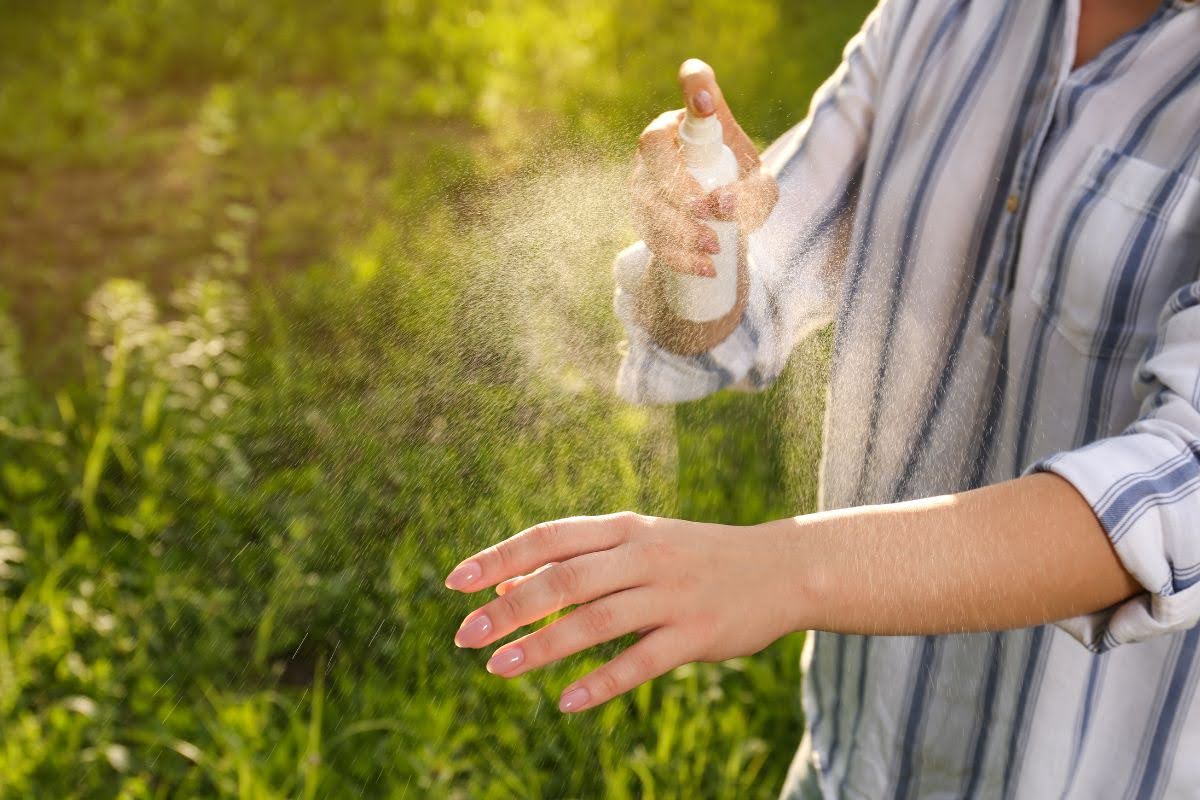
  • Use insect repellents containing DEET or picaridin
  • Treat clothing and gear with permethrin, an insect repellent designed for fabrics
  • Avoid walking through tall grass and stay on marked trails
  • Perform tick checks on yourself, children, and pets after spending time outside
  • If you have a dog, it’s important to protect them as well, as any ticks attached to them could come home with you and eventually bite a human. Use insect repellent designed for dogs or talk to your vet about preventative medications.

Checking for Bites

Ticks and insect bites can be small and easy to miss. After being outdoors, inspect your skin carefully, paying close attention to areas where ticks tend to attach, such as:

  • Behind the knees
  • Under the arms
  • Along the hairline and behind the ears
  • Around the waistline

Look for small red bumps, swelling, or the telltale “bullseye” rash that can indicate Lyme disease (which often does not show up for weeks to months after being bitten). If a tick is found attached to your skin, proper – and prompt – removal is crucial to reducing the risk of infection.

Diseases Carried by Ticks

Ticks can transmit several serious illnesses, including:

  • Lyme Disease – Caused by Borrelia bacteria, Lyme disease often presents with a bullseye rash, fever, fatigue, joint pain, and flu-like symptoms. However, symptoms may not appear for weeks after the bite. If untreated, it can lead to long-term complications affecting the nervous system and joints. Treatment typically includes antibiotics such as doxycycline.
  • Rocky Mountain Spotted Fever (RMSF) – A bacterial infection that causes fever, headache, muscle aches, and a rash that spreads from the wrists and ankles inward. Symptoms can take days or even weeks to appear. Without treatment, RMSF can become severe. Early antibiotic treatment is essential.
  • Ehrlichiosis and Anaplasmosis – These bacterial infections cause flu-like symptoms, including fever, chills, muscle aches, and headaches, which may not develop for one to two weeks after a tick bite. They are treated with antibiotics like doxycycline.
  • Babesiosis – A parasitic infection that attacks red blood cells, leading to fever, chills, fatigue, and anemia. Symptoms can take weeks to show up, making early detection difficult. Treatment may include a combination of antimicrobial medications.

What to Do If You Get Bitten by a Tick

If you find a tick attached to your skin:

  1. Use fine-tipped tweezers to grasp the tick as close to the skin’s surface as possible.
  2. Pull upward with steady, even pressure—do not twist or jerk the tick, as it could cause parts of the body to stay embedded in your skin.
  3. Clean the bite area and your hands with rubbing alcohol or soap and water
  4. Dispose of the tick by placing it in a sealed bag or flushing it down the toilet

Most tickborne diseases are avoidable with prompt removal of the tick. However, if a tick is attached for more than 12 hours, the risk of contracting an infection increases. Monitor for symptoms such as fever, rash, or flu-like symptoms in the following weeks. If you develop any concerning signs, seek medical attention promptly. 

Urgent Care Treatment for Tick and Insect Bites

While most insect bites heal on their own, some may require medical attention. Visit urgent care if you experience:

  • Signs of an allergic reaction, such as difficulty breathing or swelling of the face and throat
  • A tick bite followed by a rash, fever, or joint pain
  • A bite that becomes red, swollen, or shows signs of infection
  • Multiple bites that cause significant discomfort

At Brea Urgent Care, our urgent care providers can remove ticks safely, prescribe antibiotics if needed, and treat severe allergic reactions. Walk in or check in online for prompt care and peace of mind.

Identifying and Managing New Allergies: Causes and Symptoms

Suddenly dealing with sneezing, congestion, or itchy eyes, even if you’ve never had allergies before? You’re not alone. While many people believe allergies are a childhood condition, they can actually develop at any age, even if you’ve never experienced them in the past.

Why Do Allergies Develop Later in Life?

Allergies occur when your immune system overreacts to substances that are normally harmless, such as pollen, dust, or mold. While some people are born with a predisposition to allergies, others may develop them over time due to increased exposure to allergens, changes in environment, or shifts in the immune system.

For example, if you move to a new area with different plant life, your body may start reacting to local pollen, or if you get a new pet, you may find that your immune system is more sensitive to their dander than previous pets. Additionally, as you age, changes in your immune function may make you more sensitive to allergens that never bothered you before.

Seasonal vs. Environmental Allergies: What’s the Difference?

Seasonal allergies are triggered by pollen from trees, grass, or weeds that are more prevalent during specific times of the year – usually spring and fall. Spring allergies are typically caused by tree pollen, while summer brings grass pollen, and fall introduces ragweed. If your symptoms appear around the same time each year, seasonal allergies are likely the cause.

Environmental allergies, on the other hand, can occur year-round and are often triggered by indoor allergens such as dust mites, pet dander, or mold. These allergens can cause similar symptoms but may not be tied to a particular season. Some people have both seasonal and environmental allergies, leading to symptoms that persist throughout the year but worsen during peak allergy seasons.

Common Symptoms of Spring Allergies

Spring allergies can cause a range of symptoms, including:

  • Sneezing
  • Nasal congestion
  • Runny or itchy nose
  • Watery, itchy, or red eyes
  • Scratchy throat or postnasal drip
  • Coughing
  • Itchy skin (usually due to direct contact with the allergen, such as from petting an animal and then touching your face)
  • Fatigue due to disrupted sleep from congestion

Some people also experience oral allergy syndrome, which occurs when the immune system confuses proteins in certain raw fruits or vegetables with pollen. If you notice itching or mild swelling in your mouth or throat after eating foods like apples, cherries, or melons during allergy season, this could be the cause.

How Are Seasonal Allergies Diagnosed?

If you suspect you’ve developed allergies later in life, an evaluation by a medical provider can help confirm the cause of your symptoms. Blood tests can identify allergic reactions to specific pollens and environmental allergens, allowing for targeted treatment options.

Managing Spring Allergies: Treatment Options

While allergies can be frustrating, several treatment options can help manage symptoms effectively:

  • Antihistamines: Over-the-counter or prescription antihistamines can help reduce sneezing, itching, and runny nose.
  • Nasal corticosteroids: Sprays like fluticasone (Flonase) or mometasone (Nasonex) help reduce inflammation and congestion.
  • Decongestants: Medications like pseudoephedrine (Sudafed) can relieve nasal congestion and are typically used short-term.
  • Allergy shots (immunotherapy): For severe or persistent allergies, immunotherapy can help reduce long-term sensitivity to allergens.
  • Lifestyle adjustments: Keeping windows closed during peak pollen times, using air purifiers, and showering after outdoor exposure can help minimize allergen contact.

When to Visit Urgent Care for Allergy Relief

If your allergy symptoms are severe, interfere with daily life, or lead to complications like sinus infections or difficulty breathing, visiting an urgent care clinic can provide quick relief. Our providers can assess your symptoms, recommend effective treatments, and discuss further testing if needed.

Spring allergies may be new to you, but they don’t have to disrupt your life. If you’re experiencing unexpected allergy symptoms, visit Brea Urgent Care for expert care and symptom relief.