Bronchitis vs. Pneumonia: Common Signs of Each and What to Do to Feel Better

bronchitis vs pneumonia lungs iconExperiencing coughing and chest discomfort? Could it be bronchitis? Or is it pneumonia? While the two illnesses share similar symptoms, they require different treatment plans, and a correct diagnosis is key to help you start feeling better. Learn how to tell the difference between the two conditions.

Acute Bronchitis

Acute bronchitis is generally viral in nature and often develops after an upper respiratory illness, such as cold or flu. The condition is an inflammation of the bronchial tubes (the airways of the lungs), which leads to excess mucus production and coughing. Symptoms include:

  • Cough, with or without mucus production
  • Soreness or discomfort in the chest
  • Shortness of breath
  • Fatigue
  • Mild fever and chills
  • Headache and body aches

Acute bronchitis will usually go away on its own and antibiotics are not recommended for treatment. To feel better, get lots of rest and drink plenty of fluids. Most symptoms will subside within a week, though your cough may persist for several weeks.

Pneumonia

Pneumonia feels similar to bronchitis, but is a much more serious illness. It is an infection of the alveoli– the air sacs in the lungs that transfer oxygen to the bloodstream. The alveoli become inflamed and may fill with fluid or pus. Because the condition affects your oxygen supply, it can severely compromise the organs and tissues in your body.

Symptoms vary based on your age, overall health, and what’s causing the infection, but generally include:

  • Cough, with or without mucus production
  • Sharp chest pain
  • Shortness of breath
  • Fatigue
  • Fever, sweating and shaking chills
  • Nausea, vomiting or diarrhea

Adults age 65 and older may also experience:

  • Confusion or changes in mental awareness
  • Lower than normal body temperature

Treatment for pneumonia depends on your age, overall health, and the type and severity of the illness. Options include antibiotics, over-the-counter cough medicines and fever reducers/pain relievers.

If you’re experiencing symptoms that indicate pneumonia, head into our clinic today. Our medical team can help diagnose your illness and determine the best treatment plan to get you back to normal.

A Sore Throat or Strep Throat?

Your throat aches and the simple act of swallowing is suddenly painful. Is this a mild sore throat that will go away on its own, or a strep infection that needs antibiotics?

Learn when it’s time to see a doctor for sore throat symptoms.

There are many causes for a sore throat. Your pain could be the result of a virus, a bacteria, an allergen, or even an environmental factor, such as cigarette smoke. So, how can you tell what’s causing your sore throat?

Let’s take a look at the symptoms of a strep infection:

tea with lemon and ginger for sore throat

  • A sore throat that comes on suddenly
  • Difficulty swallowing
  • Fever
  • Red, swollen tonsils, sometimes with white patches
  • Tiny red spots on the roof of your mouth
  • Swollen lymph nodes in the front of your neck

Though less common, you may also experience a headache, nausea and vomiting, and/or a rash known as scarlet fever.

Strep throat symptoms generally do not include:

  • Runny nose
  • Coughing
  • Hoarseness (abnormal voice changes that may sound breathy, raspy, or strained)
  • Conjunctivitis (pink eye)

These symptoms suggest that a virus is causing your throat pain.

If your symptoms do indicate strep, fear not. Our medical team is available to provide the testing and treatment you need to start feeling better. Walk in today for prompt, affordable care.

Stay Healthy and Safe this Holiday Season

healthy and safeWhile the winter holidays are a time of joy and celebration, the season is not without its pitfalls. Increased travel, family gatherings, and holiday decorations and gifts can bring unwanted stress, injury, and illness. Stay safe and healthy this season by following just a few simple precautions.

Travel Smart

Millions of Americans will find themselves on the road this December. Whether it’s flying cross-country to see family or driving across town to a holiday party, you’ll want to travel smart. Follow these tips to stay safe and healthy on-the-go.

  • Never drink and drive. Use a designated driver to help guests get home safely after a holiday party.
  • Don’t drive distracted. Put the phone away and don’t fiddle with the radio. Your complete attention should be on the road.
  • Pack healthy snacks. Whether gearing up for a flight or a road trip, you’re bound to be tempted by fast food and sugary snacks once en route. Keep water, fruit, and veggies handy to stave off hunger.
  • Fit in exercise. Go for a short jog at the rest stop or choose to walk to your airline gate. A little activity can go a long way for your health.
  • Buckle up. Always ensure that everyone in your vehicle is wearing a seatbelt, no matter the distance of the drive.
  • Wash your hands often. The Journal of Environmental Health Research found that you are 100 times more likely to catch a cold on a plane than during normal daily life. Avoid touching surfaces as much as possible, practice good hand washing, and try not to touch your face.

Decorate and Give Safely

A holiday tradition like hanging string lights might seem harmless, but an estimated 15,000 injuries involving holiday decorating were seen in emergency rooms during the 2012 season. Take preventative measures to avoid unwanted injuries while decorating and gift-giving this season:

  • Make sure your tree is stable and away from candles and the fireplace.
  • Decorate the tree with children in mind. Keep fragile, breakable ornaments out of reach.
  • Ensure there are no exposed wires, excessive kinks, or loose connections in string light decorations.
  • Turn off tree lights and decorations when not in use.
  • Always use a proper step ladder. Don’t try to stand or balance on furniture while decorating.
  • Give safe, age-appropriate gifts. Small children can choke on small or removable parts.
  • Avoid toys with button batteries and be aware of their risk.

We wish you and your family a very happy, healthy and safe holiday season!

Could you have Prediabetes?

While a whopping eighty-six million Americans have prediabetes, 9 out of 10 of those people don’t even realize they have it.

So, what exactly is prediabetes? Educate yourself now on the all-too-common condition.

The Basicsprediabetes

Prediabetes means your blood sugar level is higher than normal, but not yet high enough to be diagnosed as type 2 diabetes. The condition affects both adults and children and generally shows no signs or symptoms. You may be at high risk for prediabetes (and subsequently type 2 diabetes) if you:

  • are overweight
  • are 45 years of age or older
  • have excess abdominal fat
  • have a parent or sibling with type 2 diabetes
  • are physically active fewer than 3 times per week
  • gave birth to a baby that weighed more than 9 pounds
  • had diabetes while pregnant (gestational diabetes)

Without lifestyle changes and intervention, prediabetes is very likely to lead to type 2 diabetes– a chronic disease with disabling long-term complications, such as high blood pressure, high cholesterol, heart disease, stroke, kidney disease, blindness and amputations. It’s also associated with extremely expensive medical costs. If you’re at increased risk of prediabetes, it’s important to make healthy lifestyle choices that prevent progression of the condition.

Prevention Tips

  • Avoid red meats, processed meats, high-sugar drinks
  • Eat more fruits, vegetables, nuts, whole grains and olive oil
  • Get at least 150 minutes of moderate aerobic activity or 75 minutes of vigorous aerobic activity each week
  • Lose excess pounds
  • Keep your blood pressure and cholesterol in check

How to make a Fast Flu Recovery

Flu season is fast approaching. Learn your personal risk of the illness, and how to make a fast flu recovery if you do wind up sick this season.

Flu Risks

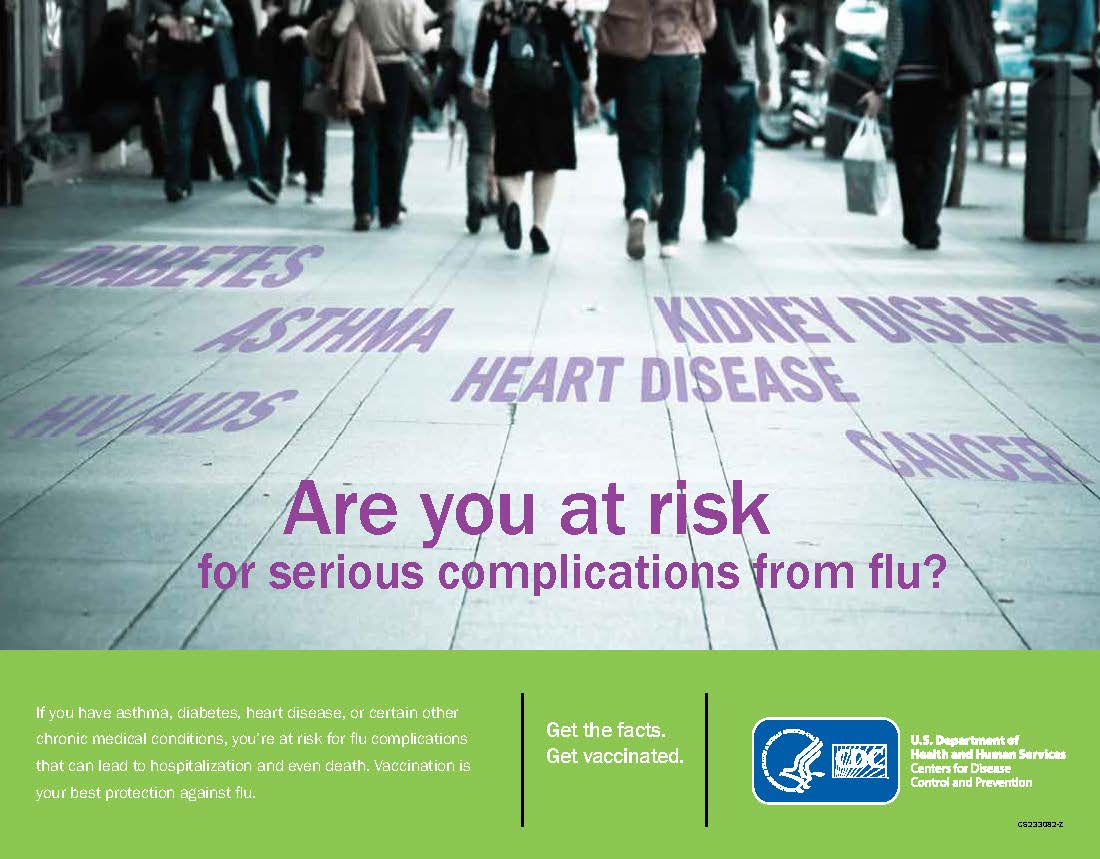
Many of us consider the flu a mild, common, and short-lived illness. However, for certain populations, the flu can lead to very serious complications, such as pneumonia, bronchitis, and even death.

The CDC lists the following people as high risk:

flu complications, treatment for fast flu recovery

  • Children younger than 5, but especially children younger than 2 years old
  • Adults 65 years of age and older
  • Pregnant women (and women up to two weeks postpartum)
  • Residents of nursing homes and other long-term care facilities
  • American Indians and Alaskan Natives
  • People who have certain chronic medical conditions (e.g. asthma, diabetes, heart disease)

To protect yourself, and those at high risk, make sure to get a flu shot before the end of October. Vaccination is proven to lessen your overall risk of flu, flu-related complications, and chance of spreading the virus others. Read more on vaccination here.

Flu Treatment

While vaccination is a good line of defense, flu shot or not, you may still become infected with the influenza virus. Flu symptoms include:

  • Cough
  • Sore throat
  • Runny or stuffy nose
  • Fever
  • Headaches
  • Body Aches
  • Fatigue

If you’re not feeling well, and your symptoms indicate influenza, act quickly. When it comes to flu treatment, time is of the essence. Antiviral drugs can lessen the severity of your illness and shorten the time you are sick by 1-2 days. However, these drugs work best when taken promptly– within 2 days of getting sick. So when flu symptoms appear, don’t wait. The sooner you seek treatment, the sooner you can feel better.

You can walk into our urgent care clinic for immediate evaluation and care. With short wait times, convenient hours, and affordable rates, Brea Urgent Care is here to help you make a fast flu recovery!