Make time for a Sports Physical this August

sports physical - a soccer cleat on turf
The start of the school year is just around the corner! And if you’re the parent of a student athlete, you’ll want to ensure that your child is physically and mentally ready to get in the game come fall. Head into our clinic now for a fast, affordable sports physical!

Most athletic leagues and schools require sports physicals –also known as preparticipation physical examinations (PPE)–, and it’s clear to see why. According to the American Academy of Pediatrics, more than 3.5 million children under 15 get hurt playing sports or participating in recreational activities every year. Sports physicals can help athletes discover and manage health problems that may interfere with their performance, as well as reduce their overall risk of injury. Don’t skip this important annual check-up on developmental health.

During a sports physical exam, a medical provider will:

  • Record height and weight
  • Take a blood pressure and pulse
  • Test vision
  • Check the heart, lungs, abdomen, ears, nose, and throat
  • Evaluate posture, joints, strength, and flexibility

The provider will review the athlete’s medical history and offer helpful tips on concussion and injury prevention. The exam also provides an opportunity to discuss the effects of using drugs, alcohol, and supplements.

To prepare for the exam, make sure to bring any required participation forms for the provider to sign. If your child wears glasses or contacts, you’ll want to bring those too.

In some cases, your child may need a follow-up exam, additional tests, or further treatment before the provider can sign off on participation. Allow time for this possibility, and hurry in for your child’s sports physical!

Water Safety Rules Every Parent Should Know

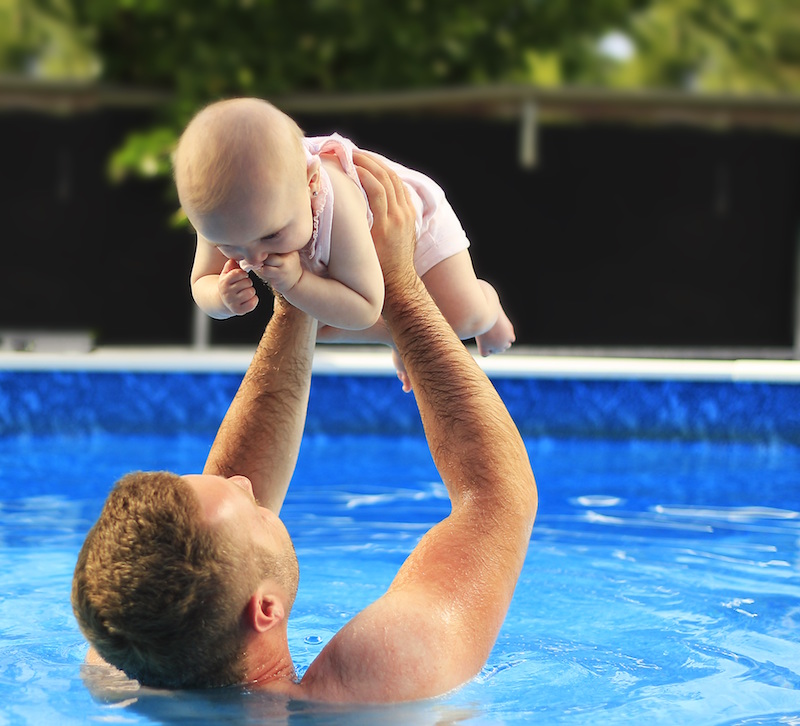
water safety rules for parents - a dad holds his baby in the poolOn hot summer days, many of us head to local swimming spots to cool off and have fun with our families. However, a trip to the pool can quickly turn tragic if the proper precautions aren’t taken. According to the CDC, “drownings are a leading cause of injury death for young children ages 1 to 14, and three children die every day as a result of drowning.” Fortunately, parents can take practical steps to reduce this risk and keep kids safe.

Follow these key water safety rules to protect your children from drowning and water-related injuries.

Keep a close watch.

Never take your eyes off your child when he or she is in the water. Most children do not–or cannot–yell for help in drowning situations, so it’s imperative to actively supervise. Keep phones stowed away and minimize other distractions. In the time it takes to check a text message, your child can be submerged.

Use life jackets.

Life jackets are the best protection against drowning. Young children and weak swimmers should always wear a properly-fitted, Coast Guard-approved life jacket when near the water. Life jackets should fit snugly and be in good condition, as rips and tears can reduce effectiveness.

Learn how to choose the right life jacket (US Coast Guard Boating Safety Division).

Know CPR.

Make sure you have this life-saving skill to handle an emergency. If your child’s breathing or heart has stopped due to drowning, CPR can keep oxygenated blood flowing to the brain and other vital organs until medical help arrives. Read up on the basics of CPR from the Mayo Clinic and consider signing up for a class through the American Heart Association or American Red Cross.

Raise strong swimmers.

Sign your kids up for swimming lessons to ensure they know basic water safety and swim techniques. For most children, the American Association of Pediatrics recommends beginning lessons at age 4. However, it’s important not to become overconfident in a child’s ability. Swimming skills are just one level of protection against drowning. Toddlers and young children still require active supervision.

The Dos and Don’ts of Fireworks Safety

fireworks safety

The safest way to enjoy fireworks is to let the pros do it. But if you can’t imagine July 4th without lighting a few fireworks at home, here are are the Dos and Don’ts of fireworks safety:

DO:

  • Point the fireworks away from people, places, and things.
  • Keep water nearby in case anything happens, and to extinguish spent fireworks.
  • Wear safety glasses.
  • Light one firework at a time.
  • Use fireworks in wide, clear areas, and on dirt or cement if possible
  • Keep a first aid kit on hand. Saline, wraps, aloe vera, blunt scissors and a blanket will all be useful in case of an emergency.
  • DON’T:

  • Point fireworks at a person, even as a joke.
  • Relight a firework that didn’t go off.
  • Consume alcohol while handling or lighting fireworks.
  • Light fireworks in dry grass.
  • We hope these fireworks safety tips help you have a fun and safe 4th of July!

    If an accident does occur, head into our clinic. Our medical team is equipped to treat minor burns and injuries from fireworks and can get you the care you need.

    Ultimate Summer Safety Guide

    summer safety tips - man grilling hot dogs

    Make summer safety a priority.

    Summer should be a time of lighthearted amusement, and not unnecessary trips to the doctor! Learn these key summer safety tips to prevent injuries while enjoying all of your favorite seasonal activities. We walk you through the basics of safe grilling, swimming and fireworks.


    Safe Grilling and BBQs

    Each year, thousands of people seek medical care for injuries involving backyard grills. Reduce the risk of fires and thermal burns with these rules:

    • Never use a grill indoors.
    • Place your grill away from the home, deck railings and out from under overhanging branches and/or decorations.
    • Keep children and pets at least three feet away from the grill area.
    • Clean your grill regularly. Fat and grease buildup add fuel to the fire and can cause flare ups.
    • Never leave your grill unattended.
    • Always make sure your gas grill lid is open before lighting it.


    Smart Swimming

    Ready to hit the pool? You’ll want to memorize these water safety tips beforehand. According to the CDC, about ten people die from unintentional drowning every day. Water-related injuries and deaths are highly preventable. Make sure to follow these basic rules for safe swimming and water fun:

    • Make sure your children and family members are strong swimmers. Enroll in age-appropriate swimming lessons.
    • Swim in designated areas with a lifeguard present.
    • Don’t let anyone swim alone. Use the buddy system.
    • Always supervise children near water. Accidents happen quickly so active supervision is key. Avoid distractions and maintain awareness at all times.
    • Have young children and inexperienced swimmers wear a life jacket.
    • Avoid alcohol use.

    Learn more about water safety from the Red Cross.


    Fireworks Safety

    Our best advice for fireworks safety? Leave them to the professionals!

    If you do choose to use fireworks, the National Safety Council provides the following safety guidelines:

    • Never allow young children to handle fireworks
    • Older children should use them only under close adult supervision
    • Anyone using fireworks or standing nearby should wear protective eyewear
    • Never light them indoors
    • Only use them away from people, houses and flammable material
    • Only light one device at a time and maintain a safe distance after lighting
    • Never ignite devices in a container
    • Do not try to re-light or handle malfunctioning fireworks
    • Soak unused fireworks in water for a few hours before discarding
    • Keep a bucket of water nearby to fully extinguish fireworks that don’t go off or in case of fire


    We hope these tips help you stay safe and have fun this summer!

    If you find yourself in need of medical care, Brea Urgent Care is here for you 7 days a week. Just walk in for fast and affordable treatment. Contact Us » 

    How to Detect and Prevent Skin Cancer

    May is Melanoma/Skin Cancer Detection and Prevention Month, and a great time to learn about strategies to detect and prevent skin cancer.

    Skin cancer is the most common form of cancer in the United States, with 1 in 5 Americans developing it in their lifetime. Fortunately, when diagnosed and treated early, skin cancer can almost always be cured.

    Skin Cancer Basics

    Skin cancer is an abnormal growth of skin cells. It can affect people of all colors and races, but is more likely to occur in those with fair skin. The two most common types of skin cancer are basal cell and squamous cell carcinomas. Both cancers are highly curable, though if left untreated, can cause serious damage and disfigurement. Melanoma is the third most common—and deadliest—skin cancer. Melanoma generally develops in a mole or appears as a new dark spot on the skin.

    The majority of skin cancers develop due to overexposure to ultraviolet (UV) light. UV light is a type of radiation produced by the sun, tanning beds and sunlamps. It is invisible to the human eye, but can penetrate and damage skin cells. Minimizing exposure to harmful UV rays is key in skin cancer prevention.

    Reduce Your Risk

    Stay out of the sun as much as possible.

    The sun’s rays are strongest between 10am and 2pm, so seek shade during these hours or protect your skin with clothing. Consider wearing long sleeves, pants, sunglasses and a wide brim hat. Be especially aware if you’re near water, sand, or snow. These surfaces can reflect and intensify the damaging effects of the sun.

    Always wear sunscreen.

    It doesn’t matter what time of year it is or what the weather is like. If you’re spending time outdoors, it’s important to apply sunscreen to all exposed skin. Choose a broad-spectrum, water-resistant sunscreen with an SPF of 30 or higher. Apply it every 2 hours and after you swim or sweat.

    Check your skin regularly for changes.

    Check out this infographic from the American Academy of Dermatology for how to spot signs of skin cancer. Early detection is crucial for successful treatment.

    detect and prevent skin cancer